Julia Yensho Ceramics

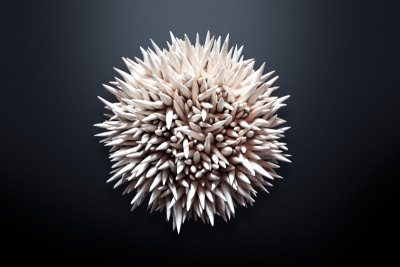
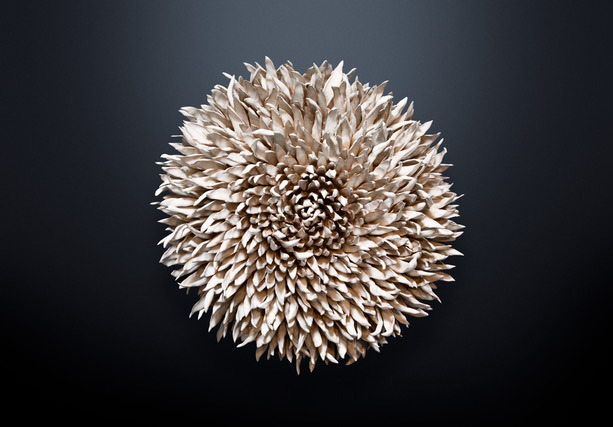
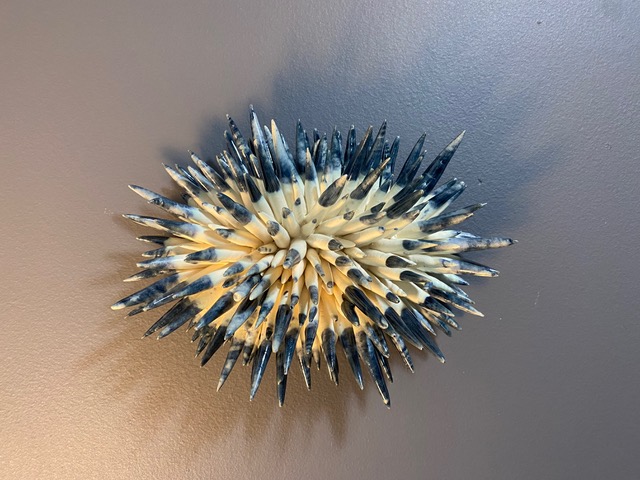
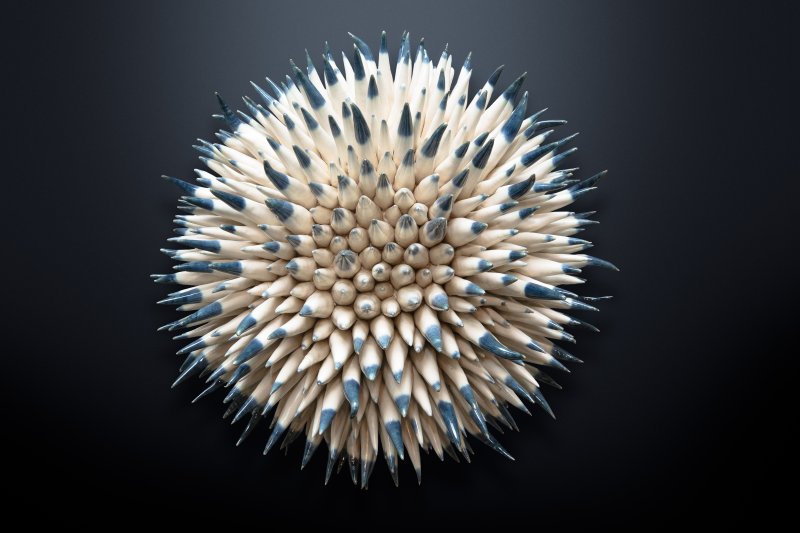
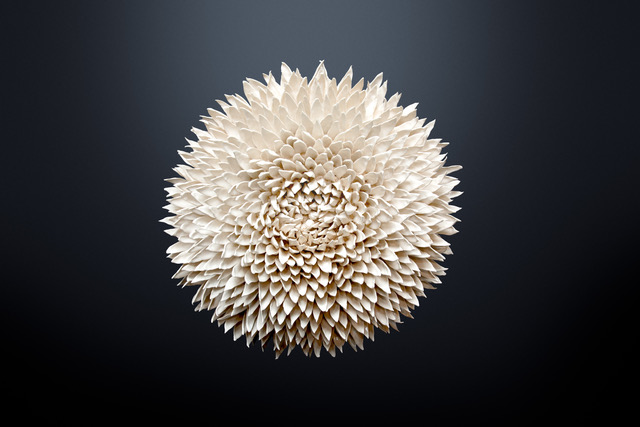
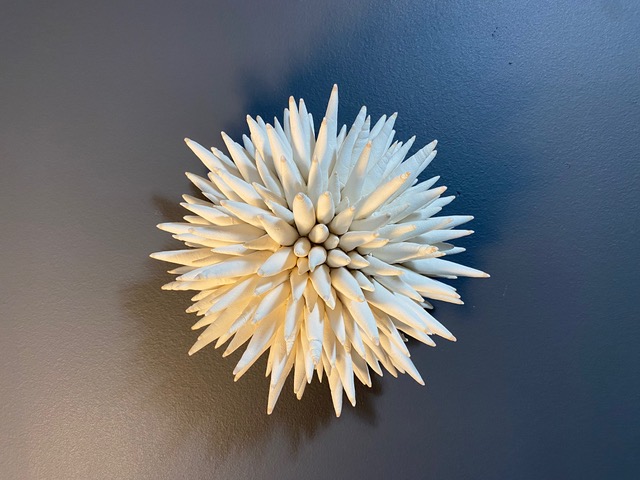
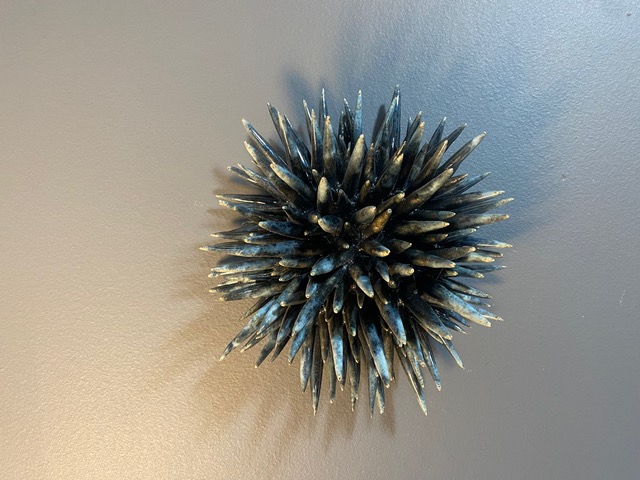
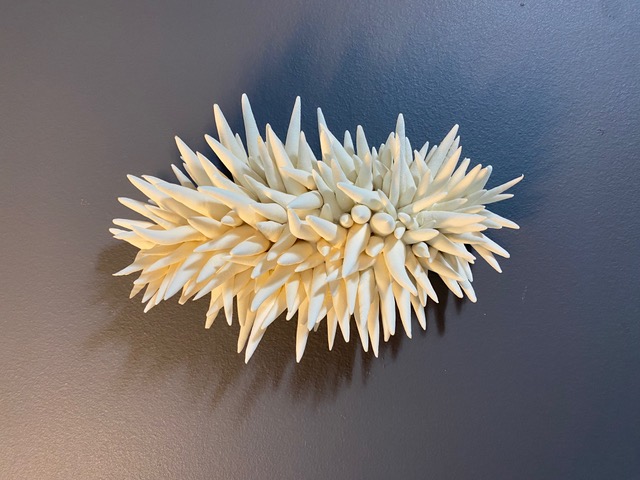
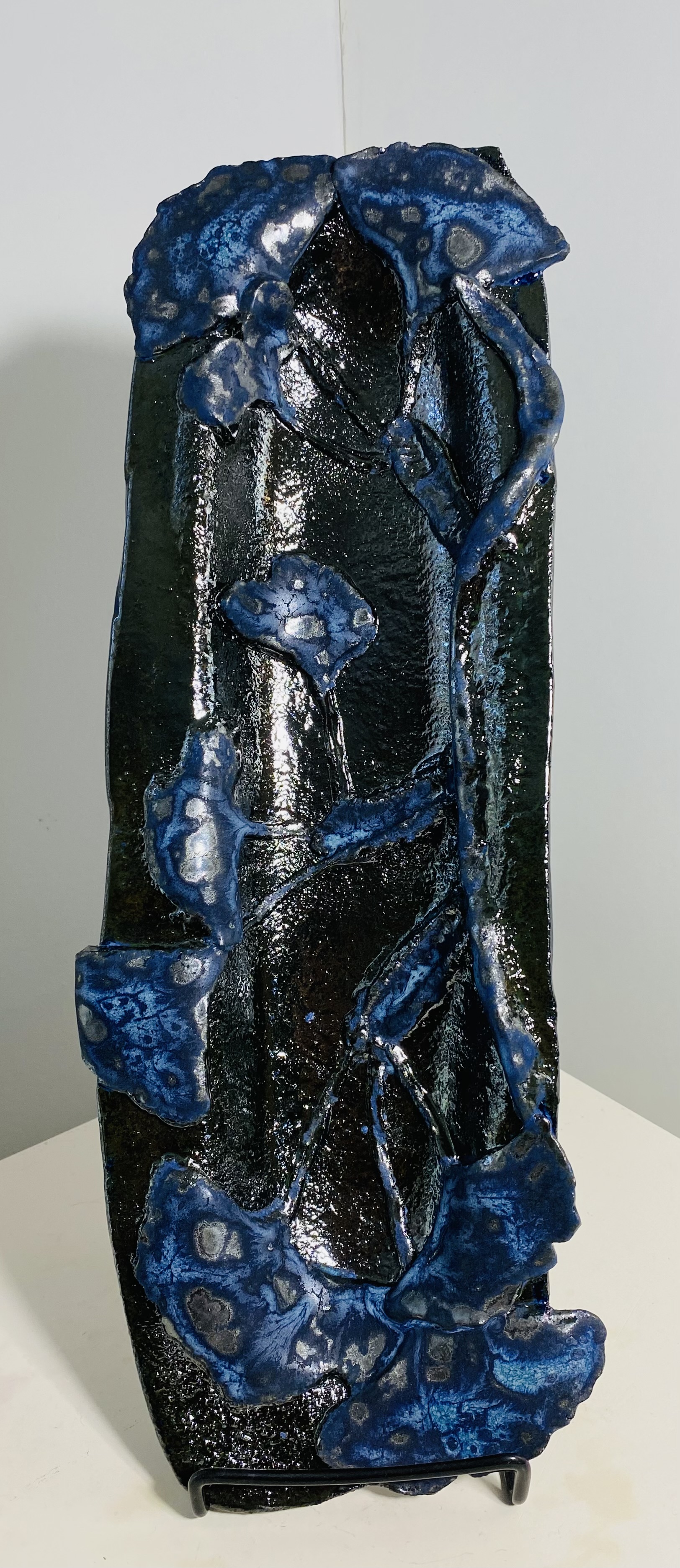
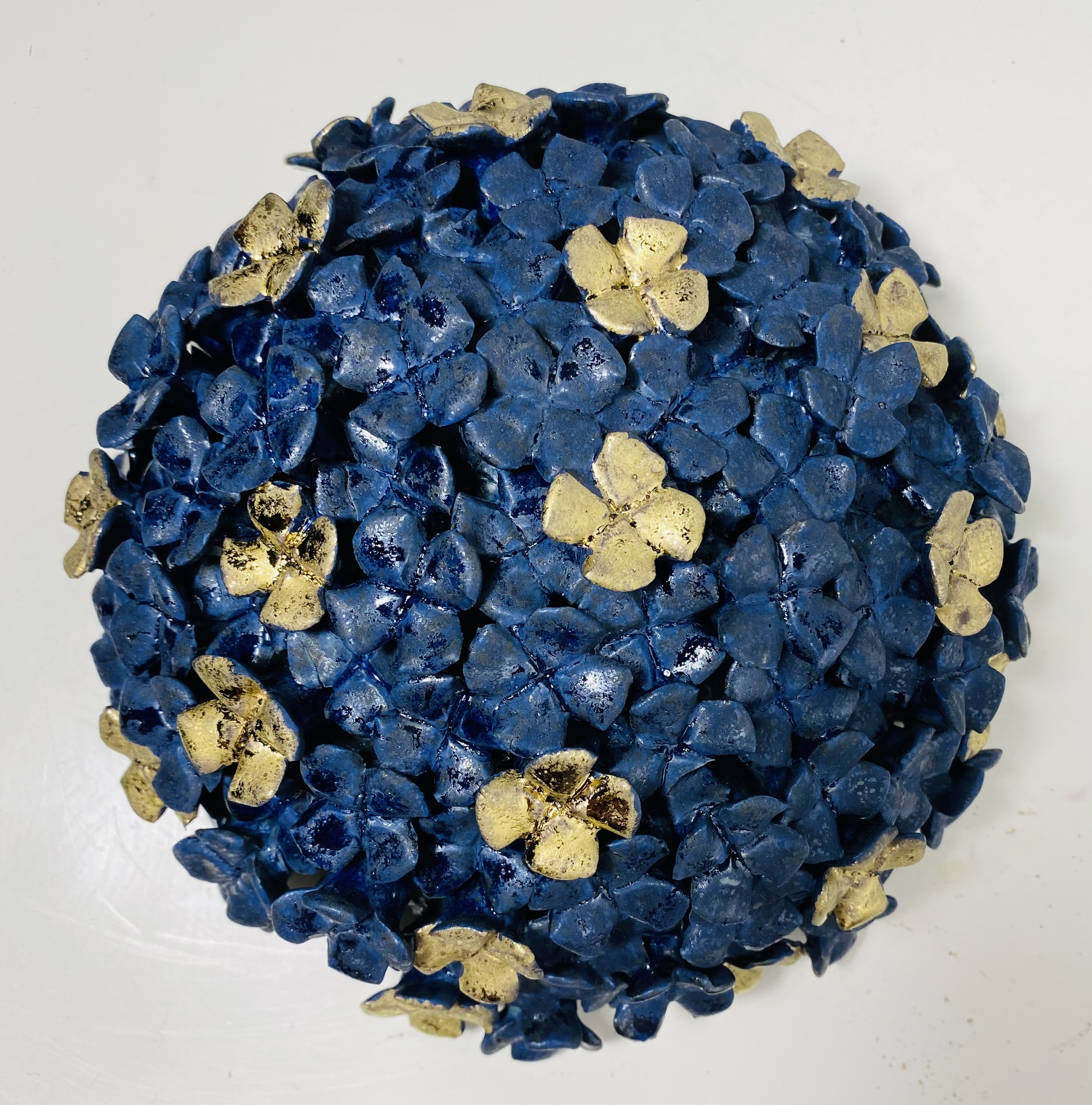
Wall
Organic forms inspired by flowers, sea life, and natural textures.
Selected Pieces
A collection of sculptural works in high-fired porcelain and ceramic clay

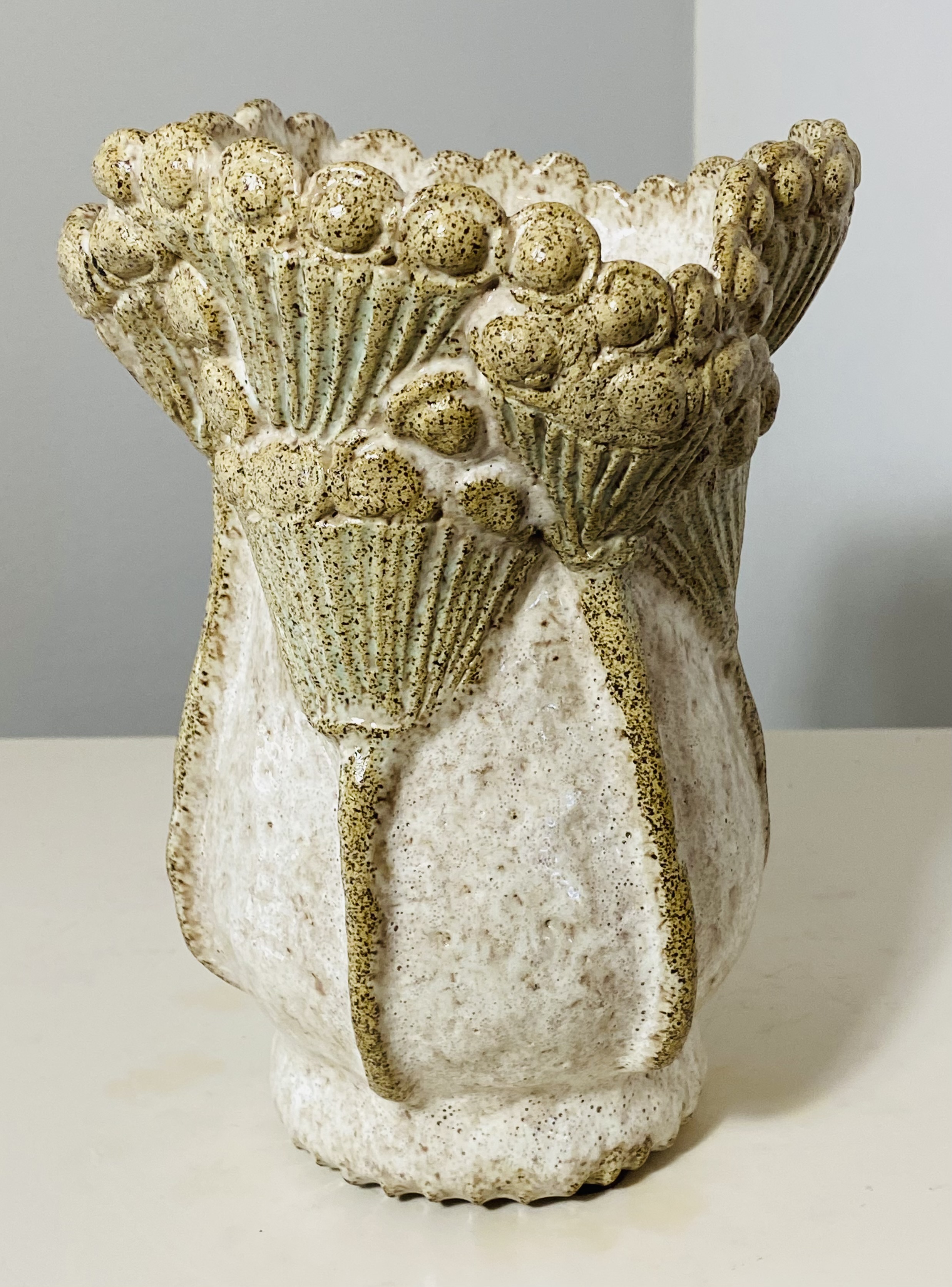
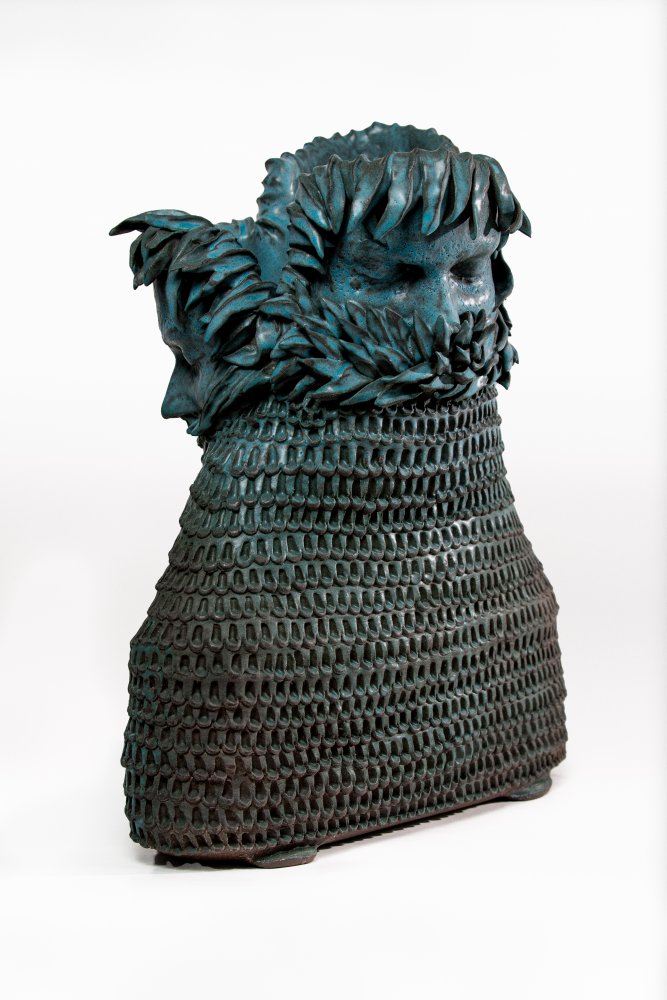
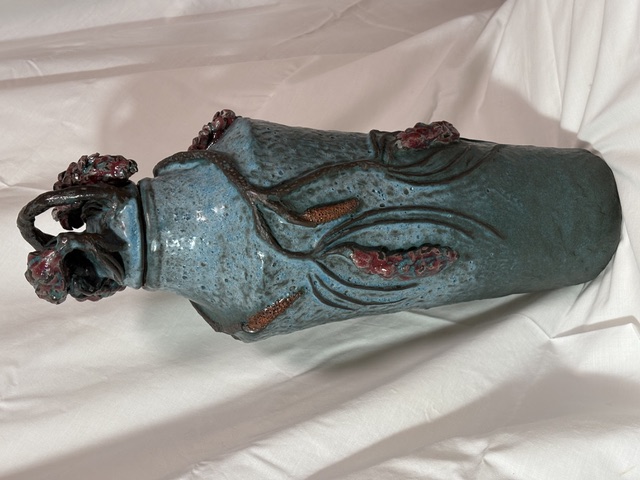
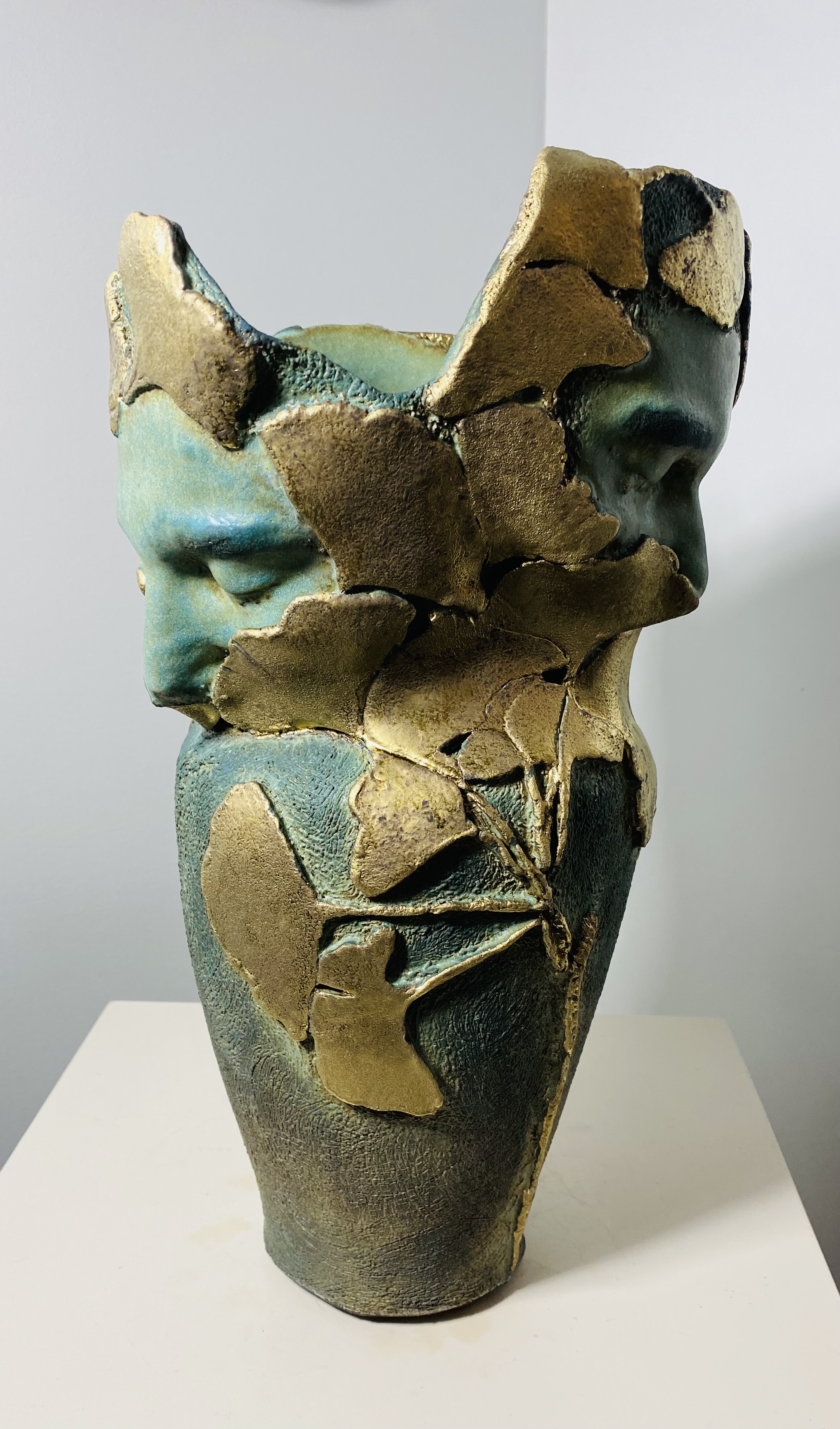
Vessels
Hand-sculpted ceramic vessels inspired by nature's texture, movement, and asymmetry.

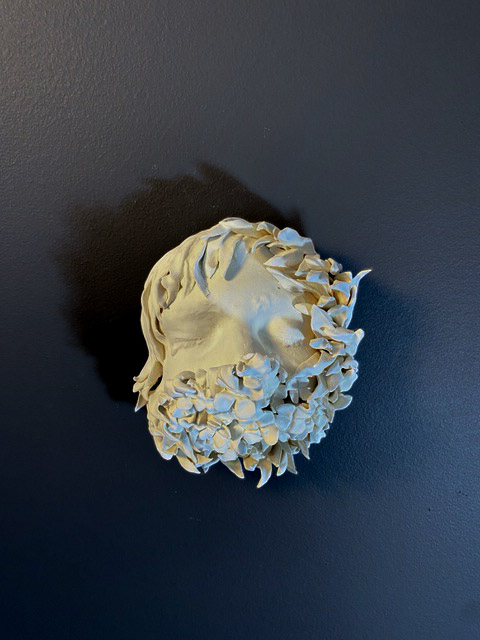
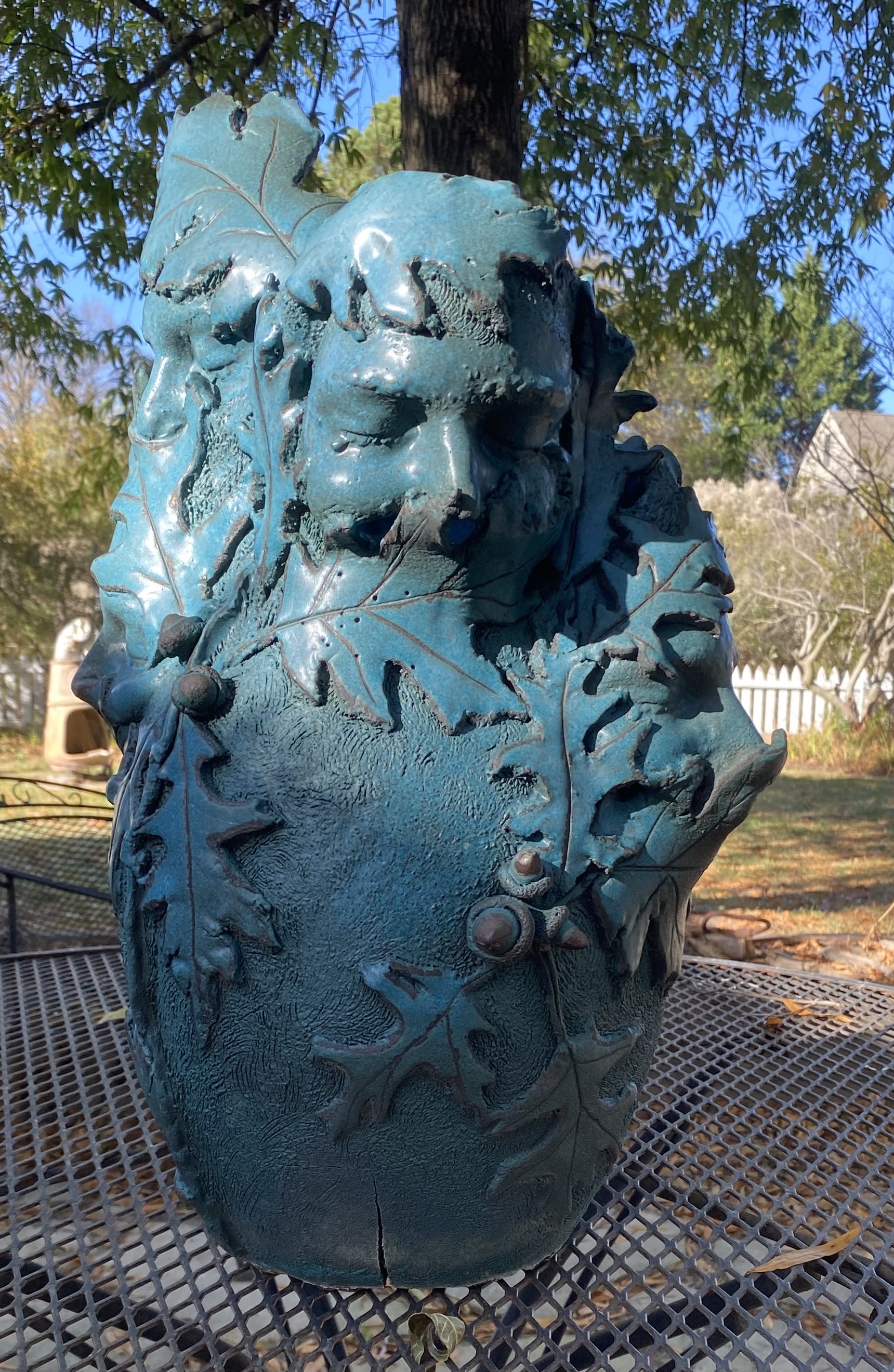
Face
Sculptural portraits exploring identity, self expression, and emotion

About Julia Yensho
Julia Weber Yensho is a contemporary ceramic sculptor whose work explores the intricate beauty, asymmetry, and sensuality of the natural world. Born in Baltimore and now working from her studio in Oxford on Maryland’s Eastern Shore, she creates highly detailed botanical forms in porcelain and stoneware, sculpting each petal and stamen individually by hand.
Yensho’s path to ceramics has been anything but conventional. A childhood spent exploring beneath the pines fostered an early fascination with the textures and irregularities of the forest. She later spent two decades working in high-end restaurant pastry before moving into scenic painting for the motion-picture industry. Those seemingly disparate experiences with precision, craftsmanship, color, composition, and an intimate understanding of materials—continue to inform her sculptural practice.
Nature remains at the heart of her work. Yensho is particularly drawn to the apparent randomness found within natural order: the asymmetry of a flower, the density of a forest floor, and the countless variations that prevent two organic forms from ever being exactly alike. Her work embraces that tension between order and spontaneity.
Working primarily in porcelain, Yensho builds her flowerheads and vessels petal by petal before firing them at high temperatures, allowing the material itself to contribute to the finished surface and character of each piece. Dahlias, chrysanthemums, daisies, hydrangeas, and imagined botanical forms emerge from the clay—not as literal reproductions, but as interpretations of nature’s abundance.
For Yensho, clay is both material and collaborator. She describes her relationship with it as an enduring one: tactile, challenging, instinctive, and continually evolving. Her sculptures reflect a lifelong fascination with the organic world and a desire to capture something of its lushness, imperfection, and extraordinary complexity.
Julia Yensho
ARTIST STATEMENT
I have always been drawn to the beautiful disorder of the natural world—the places where repetition gives way to variation, where symmetry is imperfect, and where no two things are ever quite the same.
The forest was one of my earliest places of discovery. As a child, I remember standing beneath the pines, surrounded by texture, pattern, decay, and new growth. That sense of wonder has never left me. I still find myself looking closely: to the irregular turn of a petal, the center of a flower, the way forms gather and overlap, and the extraordinary complexity hidden within things we sometimes simply call beautiful.
Clay gives me a way to respond to what I see and feel. There is something deeply sensual about working with it. It yields to my hands, but it also has its own limits and intentions. Over time, I have come to understand that relationship almost as a marriage—one I am happy to grow old with. It continues to challenge me, surprise me, frustrate me, and draw me back.
My botanical sculptures are built slowly, often one petal and one stamen at a time. Working primarily in porcelain, I create dahlias, chrysanthemums, daisies, hydrangeas, and forms that may begin with something recognizable before moving somewhere more imaginative.
I am not interested in reproducing the perfect flower. I am interested in discovering its character—its movement, abundance, vulnerability, and wonderful irregularity.
The process is both painstaking and instinctive. There is control in the making, followed by the uncertainty of fire. At high temperatures, porcelain changes. Edges move, surfaces respond, and ultimately the material has the final word. I value that unpredictability. It keeps the work alive.
My life before becoming a ceramic sculptor has also found its way into my hands. Years spent in pastry taught me precision, patience, and an appreciation for ephemeral beauty. Scenic painting taught me about surface, illusion, scale, and color. Clay brought those experiences together in a material that feels uniquely my own.
Ultimately, my work is about looking closely.
Nature does not achieve beauty through absolute perfection. Its perfection lies in variation, asymmetry, and the seemingly random accumulation of countless individual forms.
That lush botanical landscape continues to fascinate me—and it is what I hope, in some small way, to breathe into clay.